-
17-year-old Sora Matsushima stuns Harimoto and wins the 2025 All Japan Table Tennis Championships!

The main favorite of the 2025 All Japan Table Tennis Championships (2025年全日本卓球選手権大会) went down in the semi-finals after a stunning performance by the young Japanese talent Sora Matsushima.
The Kyoto-born athlete has been on the rise in recent seasons, already making his way into the Top 30 of the World Rankings and cementing his place in the roster of the Japanese national team alongside Tomokazu Harimoto and Shunsuke Togami. This year, Doha will host the 2025 World Table Tennis Championships, and victory in the national championships is the first step in guaranteeing a place in Japan’s roster.
Matsushima did not face too much of a resistance on the way to his first national title. As one of the seeded players, he entered the competition in the Round of 64 with a win over Kohei Sambe (4-1). In the rounds, leading up to the game against the tournament’s favorite – Tomokazu Harimoto, Matsushima got past Asuka Machi (4-0), the experienced Maharu Yoshimura (4-1), and Kakeru Sone (4-2).
The semi-final turned out to be relatively one-sided. Harimoto had his moments here and there, but Matsushima was too consistent, and he cruised past the more experienced teammate with a score of 4-1. The final game against Hiroto Shinozuka was even more one-sided. Another 4-1 win and Matsushima could enjoy the emotions of being a Japanese champion for the first time. Who knows, this might be a new, exciting chapter in the history of this tournament.
Matsushima also confirmed his ambitions for the future, saying: “I felt disappointment that I couldn’t compete in the Paris Olympics, so I wanted to get a win against Harimoto on a big stage. I’m glad I was able to win. I’m determined to earn my spot and compete in the singles at the Olympic Games in Los Angeles.”
Matsushima, however, wasn’t the only player that made some surprises in this tournament. Yuma Tanigaki also had a memorable run, getting past 2022 & 2023 champion Shunsuke Togami in the Round of 32 (4-3). Eventually, he managed to advance to the semi-final stage and secure his first medal in the All Japan Table Tennis Championships. He lost to the finalist Hiroto Shinozuka (1-4), but this tournament will still be something to remember for the 21-year-old Okayama Rivets player.
The 2025 All Japan Table Tennis Championships has definitely been a worthy spectacle, and it once again displayed the amount of World-class talent the Japanese table tennis can develop. If Matsushima keeps up his progress, he might become one of the dark horses of the 2025 WTTC and create some headaches for the leading Chinese players.
FINAL
 Sora Matsushima
4-1 vs. Hiroto Shinozuka  (11-9, 11-9, 11-3, 6-11, 11-3)
1/2 FINALS
Sora Matsushima 
4-1 vs. Tomokazu Harimoto  (13-11, 9-11, 11-7, 13-11, 11-7) Hiroto Shinozuka
4-1 vs. Yuma Tanigaki (11-2, 11-6, 10-12, 11-9, 11-3)1/4 FINALS
Tomokazu Harimoto
4-0 vs. Yuta Tanaka (11-5 , 11-8, 11-7, 11-3) Sora Matsushima
4-2 vs. Kakeru Sone (3-11, 11-7, 12-10, 11-8, 6-11, 11-8) Hiroto Shinozuka
4-3 vs. Yukiya Uda (11-5, 11-8, 11-8, 5-11, 5-11, 9-11, 11-9) Yuma Tanigaki
4-1 vs. Shunsuke Okano (11-8, 11-8, 11-13, 11-5, 11-4)Don’t miss out the news from Table Tennis Media, subscribing to our free newsletter and explore the premium content on our Patreon.
-
World-class action at the 2025 All Japan Table Tennis Championships

The 2025 edition of the All Japan Table Tennis Championships (2025年全日本卓球選手権大会) traditionally features World-class players, such as Tomokazu Harimoto, and brings the finest table tennis spectacle.
Tokyo once again becomes the home of the Japanese National Championships and welcomes hundreds of the nation’s best table tennis talents. Two young and highly talented athletes have dominated the competition in recent years: Tomokazu Harimoto (who won in 2024) and Shunsuke Togami (2022, 2023). Overall, Harimoto has been more successful, winning a total of 6 medals versus Togami’s three.
Furthermore, both players have the potential to cement their success and become among the most accomplished Japanese players of all time. Japan has produced several World champions and table tennis icons in the past – Ichiro Ogimura, Shigeoh Itoh, and Mitsuru Kono are just a few of those legendary names. Tomokazu Harimoto has been among the World’s best players for years, and he has the potential to reach the peak heights.
Harimoto expressed a confident mood before the tournament: “Of course, I want to win consecutively, and continue winning, but because I won last year I don’t feel any extra pressure this year.”
Top-seeded players could enter the competition from the Round of 64 stage, while the majority of players had to begin their journey from the Round of 512 or Round of 256, depending on the draw.
One of the first major surprises of the tournament was Shunsuke Togami’s exit in the Round of 32. The former Japanese champion lost 3-4 in a nerve-racking game against Yuma Tanigaki. The fan-favorite Koki Niwa also was eliminated in the same stage of the competition.
The talented Japanese players Sora Matsushima and Yuma Tanigaki displayed very consistent performances throughout the rounds, and both of them earned a chance to win their first medal in the singles event.
Sora Matsushima eventually turned out to be the winner of this tournament, cruising past Tomokazu Harimoto (4-1) in the semi-final stage, and Hiroto Shinozuka (4-1) in the final. A great and memorable run for the 17-year-old talent, who has been on the rise in a recent year.
FINAL
Sora Matsushima
4-1 vs. Hiroto Shinozuka (11-9, 11-9, 11-3, 6-11, 11-3)1/2 FINALS
Sora Matsushima
4-1 vs. Tomokazu Harimoto (13-11, 9-11, 11-7, 13-11, 11-7) Hiroto Shinozuka
4-1 vs. Yuma Tanigaki (11-2, 11-6, 10-12, 11-9, 11-3)1/4 FINALS
Tomokazu Harimoto
4-0 vs. Yuta Tanaka (11-5 , 11-8, 11-7, 11-3) Sora Matsushima
4-2 vs. Kakeru Sone (3-11, 11-7, 12-10, 11-8, 6-11, 11-8) Hiroto Shinozuka
4-3 vs. Yukiya Uda (11-5, 11-8, 11-8, 5-11, 5-11, 9-11, 11-9) Yuma Tanigaki
4-1 vs. Shunsuke Okano (11-8, 11-8, 11-13, 11-5, 11-4)ROUND OF 16
Tomokazu Harimoto
4-1 vs. Taimu Arinobu (11-7, 11-13, 11-8, 11-3, 11-6) Yuta Tanaka
4-2 vs. Yuto Muramatsu (11-13, 11-9, 4-11, 11-4, 8-11, 11-9, 11-4) Kakeru Sone
W:L vs. Kenji Matsudaira Sora Matsushima
4-1 vs. Maharu Yoshimura (11-5, 8-11, 11-9, 11-7, 11-8) Hiroto Shinozuka
4-1 vs. Takuya Jin (11-8, 11-5, 11-8, 9-11, 11-8)
Yukiya Uda
4-0 vs. Tonin Ryuzaki (14-12, 11-9, 11-6, 11-9) Shunsuke Okano
4-1 vs. Kazuki Hamada (11-7, 11-8, 11-9, 7-11, 11-7) Yuma Tanigaki
4-3 vs. Taisei Matsushita (3-11, 6-11, 11-8, 11-8, 8-11, 11-8, 11-5)ROUND OF 32
Tomokazu Harimoto
4-1 vs. Satoshi Aida (11-9, 11-9, 9-11, 11-6, 11-2) Taimu Arinobu
4-1 vs. Yuto Abe (11-13, 11-8, 11-4, 12-10, 11-7) Yuto Muramatsu
4-0 vs. Norihito Ito (11-7, 11-9, 11-9, 11-3) Yuta Tanaka
4-1 vs. Kanta Tokuda (11-8, 11-7, 13-15, 12-10, 11-4) Kakeru Sone
4-3 vs. Taku Takakiwa (9-11, 11-9, 10-12, 11-4, 11-5, 5-11, 11-9) Kenji Matsudaira
4-2 vs. Hiromu Kobayashi (11-7, 11-9, 11-5, 8-11, 4-11, 11-9) Sora Matsushima
4-0 vs. Asuka Machi (11-7, 11-9, 11-6, 11-5) Maharu Yoshimura
4-0 vs. Keishi Hagihara (11-6, 11-7, 11-5, 11-8) Hiroto Shinozuka
4-1 vs. Yuki Matsuyama (11-7, 7-11, 11-1, 11-3, 11-8) Takuya Jin
4-1 vs. Shohei Onodera (13-11, 11-9, 11-9, 12-14, 11-7) Tonin Ryuzaki
4-2 vs. Ryoichi Yoshiyama (4-11, 7-11, 11-4, 13-11, 11-5, 12-10) Yukiya Uda
4-3 vs. Kazuhiro Yoshimura (7-11, 14-12, 8-11, 12-10, 11-7, 6-11, 14-12) Shunsuke Okano
4-0 vs. Kazuki Yoshiyama (11-4, 11-5, 11-9, 11-8) Kazuki Hamada
4-0 vs. Masaki Kayama (11-9, 11-5, 11-5, 11-5) Taisei Matsushita
4-1 vs. Koki Niwa (11-9, 13-11, 12-10, 12-14, 11-4) Yuma Tanigaki
4-3 vs. Shunsuke Togami (11-6, 11-8, 10-12, 11-9, 4-11, 6-11, 11-5)ROUND OF 64
Tomokazu Harimoto
4-1 vs. Yuma Tsuboi (11-3, 11-9, 11-5, 7-11, 11-9) Satoshi Aida
4-3 vs. Shunto Iwaida (11-5, 9-11, 11-6, 6-11, 12-10, 7-11, 11-9) Yuto Abe
4-0 vs. Shuhei Uchimura (11-6, 11-9, 12-10, 11-6) Taimu Arinobu
4-1 vs. Chiaki Takezaki (9-11, 13-11, 11-9, 11-7, 11-5) Yuto Muramatsu
4-0 vs. Ryo Hakusan (13-11, 11-5, 11-4, 11-6) Norihito Ito
4-1 vs. Takahashi Takumi (10-12, 11-5, 11-9, 12-10, 11-6) Kanta Tokuda
4-0 vs. Koyo Kanamitsu (11-4, 11-6, 11-8, 12-10) Yuta Tanaka
4-1 vs. Shin Ishiyama (9-11, 11-8, 11-6, 11-6, 11-6) Taku Takakiwa
4-1 vs. Shuhei Suzuki (11-9, 11-6, 9-11, 11-4, 11-7) Kakeru Sone
4-2 vs. Fumiya Igarashi (11-9, 11-8, 11-8, 6-11, 6-11, 11-8) Kenji Matsudaira
4-3 vs. Sota Noda (9-11, 11-8, 11-5, 7-11, 11-8, 2-11, 11-6) Hiromu Kobayashi
4-3 vs. Jo Yokotani (11-9, 5-11, 7-11, 8-11, 11-7, 11-6, 11-5) Sora Matsushima
4-1 vs. Kohei Sambe (8-11, 11-5, 11-4, 11-8, 12-10) Asuka Machi
4-3 vs. Satoshi Eto (7-11, 11-7, 12-10, 10-12, 3-11, 11-8, 12-10) Keishi Hagihara
4-3 vs. Junichi Komatsu (11-7, 8-11, 11-3, 11-9, 8-11, 9-11, 11-8) Maharu Yoshimura
4-2 vs. Yuta Fukuzawa (11-6, 11-4, 11-13, 7-11, 11-6, 11-8) Hiroto Shinozuka
4-2 vs. Soma Ono (11-7, 11-9, 9-11, 11-6, 12-14, 11-9) Yuki Matsuyama
4-1 vs. Karasuta Higashi (11-4, 11-6, 11-7, 13-15, 11-5) Takuya Jin
4-1 vs. Aori Asatsu (14-12, 11-7, 11-9, 10-12, 11-8) Shohei Onodera
4-0 vs. Takahiro Aoyama (11-8, 11-5, 11-3, 11-9) Ryoichi Yoshiyama
4-0 vs. Kenta Tazoe (11-4, 11-6, 11-5, 11-7) Tonin Ryuzaki
4-2 vs. Takami Masaki (7-11, 11-6, 11-4, 11-4, 9-11, 11-9) Kazuhiro Yoshimura
4-0 vs. Yasukazu Ono (11-7, 11-8, 11-5, 11-6) Yukiya Uda
4-0 vs. Takahashi Takumi (11-9, 11-6, 11-7, 11-3) Kazuki Yoshiyama
4-2 vs. Yuya Oshima (7-11, 6-11, 11-6, 11-8, 12-10, 11-7) Shunsuke Okano
4-1 vs. Takuto Sato (11-7, 9-11, 11-6, 11-9, 11-7) Kazuki Hamada
4-2 vs. Yuhi Sakai (9-11, 6-11, 11-5, 11-9, 11-8, 11-6) Masaki Kayama
4-1 vs. Rikuto Maede (11-8, 8-11, 11-8, 11-3, 11-7) Koki Niwa
4-2 vs. Shodai Miyagawa (6-11, 11-8, 12-10, 11-7, 9-11, 11-9) Taisei Matsushita
4-0 vs. Rinne Muramatsu (11-3, 11-9, 16-14, 11-5) Yuma Tanigaki
4-1 vs. Keiya Uemura (11-5, 11-9, 10-12, 11-6, 11-5) Shunsuke Togami
4-0 vs. Chikayoshi Masumoto (11-5, 11-5, 11-5, 11-6)AdvertisementsROUND OF 128
Yuma Tsuboi
3-2 vs. Takumi Tanimoto (5-11, 11-8, 11-4, 4-11, 11-6) Shunto Iwaida
3-0 vs. Aoi Yoshida (11-5, 11-6, 11-4) Shuhei Uchimura
3-0 vs. Kowa Nakamura (11-7, 11-9, 11-5) Chiaki Takezaki
3-0 vs. Ren Imaizumi (11-1, 11-6, 11-3) Ryo Hakusan
3-1 vs. Ayuma Matsuda (3-11, 11-8, 11-9, 11-5) Takahashi Takumi
3-1 vs. Shun Fujimoto (11-6, 11-7, 10-12, 11-7) Koyo Kanamitsu
3-1 vs. Hayato Miki (11-7, 8-11, 11-9, 11-9) Shin Ishiyama
3-1 vs. Yuji Kato (11-13, 11-0, 11-7, 11-9) Shuhei Suzuki
3-2 vs. Yu Kayama (9-11, 11-5, 11-3, 8-11, 11-7) Kakeru Sone
3-1 vs. Mizuki Oikawa (12-10, 11-7, 11-5, 11-8) Sota Noda
3-0 vs. Naoki Takada (11-7, 12-10, 11-8) Hiromu Kobayashi
3-1 vs. Yuki Kitamura (11-6, 10-12, 11-8, 11-6) Kohei Sambe
3-2 vs. Munehisa Iwanaga (6-11, 12-10, 11-2, 9-11, 11-6) Asuka Machi
3-1 vs. Takuto Izumo (11-9, 11-5, 6-11, 11-5) Junichi Komatsu
3-0 vs. Kensuke Kubo (11-8, 12-10, 11-4) Yuta Fukuzawa
3-2 vs. Shogo Matsui (9-11, 11-8, 11-13, 11-8, 11-4) Soma Ono
3-2 vs. Tamito Watanabe (10-12, 11-7, 7-11, 11-5, 11-8) Karasuta Higashi
3-0 vs. Mahiro Funayama (11-8, 11-8, 11-7) Takuya Jin
3-2 vs. Yuto Kizukuri (8-11, 11-9, 11-5, 7-11, 13-11) Takahiro Aoyama
3-1 vs. Hiroshi Hori (9-11, 11-3, 11-5, 11-7) Kenta Tazoe
3-1 vs. Naoto Hamada (11-5, 11-7, 10-12, 11-7) Tonin Ryuzaki
3-2 vs. Hayate Suzuki (14-16, 11-2, 11-9, 7-11, 11-8) Kazuhiro Yoshimura
3-0 vs. Kaoru Yamagishi (12-10, 11-8, 11-9) Takahashi Takumi
3-1 vs. Yudai Miura (11-6, 12-10, 6-11, 11-6) Kazuki Yoshiyama
3-1 vs. Atsuhiro Horikawa (11-9, 12-10, 8-11, 11-6) Takuto Sato
3-2 vs. Shodai Sakane (11-8, 9-11, 6-11, 11-8, 12-10) Yuhi Sakai
3-1 vs. Yuma Niihara (11-6, 11-4, 8-11, 11-3) Rikuto Maede
3-0 vs. Yoshito Muranaka (11-6, 11-5, 11-5) Shodai Miyagawa
3-0 vs. Ryoga Sugiura (12-10, 11-4, 11-6) Rinne Muramatsu
3-2 vs. Yamato Sakurai (7-11, 11-6, 11-7, 8-11, 11-7) Yuma Tanigaki
3-1 vs. Naoya Onishi (11-3, 10-12, 11-3, 11-7) Chikayoshi Masumoto
3-1 vs. Taiga Tama (11-3, 11-6, 9-11, 13-11)AdvertisementsROUND OF 256
Yuma Tsuboi
3-1 vs. Yusuke Watanabe (11-4, 13-11, 8-11, 11-8) Takumi Takimoto
3-1 vs. Tomoki Menda (4-11, 11-3, 15-13, 11-5) Aoi Yoshida
3-0 vs. Yusei Tanahashi (11-8, 12-10, 11-7) Shunto Iwaida
3-0 vs. Norikazu Ogihara (11-5, 11-4, 11-3) Kowa Nakamura
3-1 vs. Tomoya Fujimura (11-7, 11-5, 9-11, 11-4) Shuhei Uchimura
3-0 vs. Tenyoku Wakatsuke (11-6, 11-9, 11-8) Chiaki Takezaki
3-1 vs. Katsuya Yamamoto (11-7, 11-3, 9-11, 11-4) Ren Imazumi
3-1 vs. Ryoto Hijiki (11-9, 7-11, 14-12, 11-7) Ayuma Matsuda
3-0 vs. Masateru Yamamoto (11-6, 11-6, 11-8) Ryo Hakusan
3-1 vs. Kazushi Hoshi (11-6, 8-11, 12-10, 11-5) Takahashi Takumi
3-0 vs. Takemoto Hiratsuka (11-6, 12-10, 11-6) Shun Fujimoto
3-1 vs. Sho Kato (8-11, 11-7, 12-10, 11-9) Koyo Kanamitsu
3-1 vs. Takumi Sato (11-9, 9-11, 11-5, 11-7) Hayato Miki
3-0 vs. Takahiro Maki (11-9, 11-7, 11-4) Shin Ishiyama
3-2 vs. Kaito Fujimoto (11-8, 9-11, 4-11, 12-10, 11-8) Yuji Kato
3-2 vs. Ikuya Aoki (11-5, 8-11, 11-3, 6-11, 11-8) Shuhei Suzuki
3-0 vs. Kei Yamashita (13-11, 11-8, 11-9) Yu Kayama
3-0 vs. Ayumu Yamamoto (11-7, 11-7, 11-8) Mizuki Oikawa
3-1 vs. Asuka Sakai (4-11, 11-5, 11-7, 11-4) Kakeru Sone
3-2 vs. Masami Yoshida (11-5, 7-11, 11-7, 8-11, 11-7) Naoki Takada
3-2 vs. Toshinobu Yoshida (11-8, 6-11, 11-9, 4-11, 11-5) Sota Noda
3-0 vs. Kazuya Arai (11-9, 11-3, 11-8) Hiromu Kobayashi
3-0 vs. Ryo Kato (11-4, 11-9, 11-5) Yuki Kitamura
3-2 vs. Kazuya Sugimoto (8-11, 11-9, 3-11, 11-7, 11-4) Kohei Sambe
3-1 vs. Yukyo Saiko (6-11, 11-4, 11-6, 11-7) Munehisa Iwanaga
3-2 vs. Yasukazu Bando (11-13, 11-13, 11-5, 11-3, 12-10) Asuka Machi
3-1 vs. Ryo Okada (10-12, 11-7, 11-6, 11-8) Takuto Izumo
3-0 vs. Hiromu Nodo (11-8, 12-10, 11-3) Junichi Komatsu
3-0 vs. Kazuki Hashimoto (11-8, 11-1, 11-8) Kensuke Kubo
3-2 vs. Yusuke Sadamatsu (11-6, 7-11, 11-7, 11-13, 12-10) Shogo Matsui
3-2 vs. Hanaki Seiya (11-13, 11-8, 11-8, 13-15, 12-10) Yuta Fukuzawa
3-0 vs. Ryoma Tezuka (11-7, 11-5, 14-12) Soma Ono
3-2 vs. Hirotaka Ishiyama (4-11, 7-11 11-5, 11-8, 11-7) Tamito Watanabe
3-0 vs. Hibiki Tazoe (11-9, 11-7, 11-7) Mahiro Funayama
3-1 vs. Isa Maou (11-9, 5-11, 11-8, 12-10) Karasuta Higashi
3-2 vs. Kyotaro Tanaka (13-11, 4-11, 11-6, 9-11, 11-8) Takuya Jin
3-0 Hibiki Yoshimura (11-2, 11-4, 11-4) Yuto Kizukuri
3-1 vs. Yasuyasu Watanabe (11-6, 11-13, 15-13, 11-6) Takahiro Aoyama
3-0 vs. Kazuha Nakamura (11-2, 11-6, 11-4) Hiroshi Hori
3-2 vs. Yuuta Iimura (12-10, 8-11, 12-10, 11-13, 11-9) Naoto Hamada
3-1 vs. Daisuka Yoshida (12-10, 11-6, 7-11, 11-5) Kenta Tazoe
3-1 vs. Haruki Miyamoto (11-9, 11-5, 6-11, 11-1) Tonin Ryuzaki
3-0 vs. Takuma Takizawa (11-9, 11-7, 11-7) Hayate Suzuki
3-2 vs. Kohaku Nakano (9-11, 11-9, 11-6, 7-11, 11-6) Kazuhiro Yoshimura
3-1 vs. Naoki Mitani (11-7, 4-11, 11-5, 11-8) Kaoru Yamagishi
3-1 vs. Toshinori Terashita (11-9, 8-11, 11-7, 11-7) Yudai Miura
3-0 vs. Takumi Shibahara (11-3, 11-6, 11-7) Takahashi Takumi
3-0 vs. Takaya Takari (11-7, 12-10, 11-6) Atsuhiro Horikawa
3-1 vs. Kotaro Seo (13-11, 11-4, 5-11, 11-6) Kazuki Yoshiyama
3-0 vs. Kimura Hisho (11-8, 12-10, 11-7) Shodai Sakane
3-0 vs. Kei Hanami (11-9, 11-4, 11-9) Takuto Sato
W:L Takuto Shiba Yuhi Sakai
3-0 vs. Hiromitsu Kasahara (11-5, 12-10, 11-6) Yuma Niihara
3-0 vs. Yuta Aimura (11-8, 11-9, 14-12) Yoshito Muranaka
3-1 vs. Motoki Mawatari (12-10, 5-11, 11-6, 12-10) Rikuto Maede
3-0 vs. Seiya Sato (11-2, 11-7, 11-2) Shodai Miyagawa
3-2 vs. Tomoya Kimura (8-11, 12-10, 11-4, 10-12, 12-10) Ryoga Sugiura
3-0 vs. Sho Suzuki (11-9, 11-9, 11-6) Rinne Muramatsu
3-1 vs. Shuhei Fujii (8-11, 11-7, 11-7, 11-6) Yamato Sakurai
3-0 vs. Osuke Shinoda (11-4, 11-8, 11-3) Yuma Tanigaki
3-0 vs. Takahiro Tamai (4-11, 11-5, 11-6, 11-9) Naoya Onishi
3-2 vs. Makoto Suzuki (11-5, 8-11, 13-11, 9-11, 11-9) Taiga Tama
3-1 vs. Tatsuro Nakachin (8-11, 11-5 11-4, 11-8) Chikayoshi Masumoto
3-1 vs. Tsubasa Okamoto (11-8, 11-3, 4-11, 11-8)AdvertisementsROUND OF 512
Yuma Tsuboi
3-1 vs. Haruki Miyamoto (11-8, 6-11, 12-10, 11-4) Takumi Takimoto
3-2 vs. Takumi Kageyama (11-8, 8-11, 11-3, 4-11, 11-7) Aoi Yoshida
3-2 vs. Naoya Kawakami (6-11, 11-6, 11-8, 6-11, 11-8) Shunto Iwaida
3-0 vs. Shota Tahara (11-8, 11-9, 11-4) Norikazu Ogihara
3-1 vs. Kazuki Inoue (11-7, 11-9, 11-13, 11-9) Kowa Nakamura
3-1 vs. Shunsuke Tsukidate (9-11, 11-5, 11-8, 11-4) Tenyoku Wakatsuke
3-2 vs. Kenta Minamitami (6-11, 8-11, 11-3, 11-7, 11-4) Chiaki Takezaki
3-1 vs. Kazuki Hayashinaka (5-11, 12-10, 11-9, 11-8) Ren Imazumi
3-2 vs. Seba Goto (11-6, 12-10, 6-11, 5-11, 11-9) Masateru Yamamoto
3-2 vs. Yuichi Tokiyoshi (14-16, 8-11, 11-9, 11-7, 11-9) Kazushi Hoshi
3-0 vs. Takahashi Keita (11-8, 14-12, 11-8) Takemoto Hiratsuka
3-1 vs. Masahiro Fujita (11-8, 11-8, 5-11, 11-3) Sho Kato
3-0 vs. Shimamura Taikan (11-7, 11-9, 12-10) Koyo Kanamitsu
3-1 vs. Ko Okobu (11-3, 10-12, 11-9, 16-14) Hayato Miki
3-2 vs. Yuta Ito (11-8, 8-11, 3-11, 11-2, 11-8) Shin Ishiyama
3-0 vs. Yuhi Yoshida (12-10, 11-3, 11-3) Yuji Kato
3-2 vs. Riu Murakami (11-6, 11-5, 8-11, 8-11, 11-7) Shuhei Suzuki
3-0 vs. Mitsufumi Matsumoto (11-8, 11-8, 12-10) Ayumu Yamamoto
3-0 vs. Hironari Sadamatsu (11-2, 11-6, 11-9) Mizuki Oikawa
3-1 vs. Shota Suganuma (11-3, 9-11, 11-5, 11-5) Kakeru Sone
3-0 vs. Katsuhito Ishizawa (11-9, 11-1, 11-8) Naoki Takada
3-2 vs. Tomohiro Marukawa (11-7, 11-6, 4-11, 9-11, 11-5) Sota Noda
3-1 vs. Yuki Maekawa (6-11, 11-4, 11-4, 11-5) Hiromu Kobayashi
3-0 vs. Maeyama Sosuke (11-6, 11-4, 11-8) Kazuya Sugimoto
3-2 vs. Ryo Watanabe (10-12, 11-6, 9-11, 11-5, 11-4) Yukyo Saiko
3-1 vs. Isao Kawaguchi (11-9, 11-6, 3-11, 11-8) Munehisa Iwanaga
3-1 vs. Toshiki Kagami (11-7, 11-4, 8-11, 11-5) Ryo Okada
3-0 vs. Takeshi Takemori (11-3, 11-2, 11-5) Takuto Izumo
3-1 vs. Fukushima Tasei (11-5, 9-11, 11-8, 11-7) Junichi Komatsu
3-1 vs. Tajiri Ho (11-3, 11-9, 6-11, 11-0) Kensuke Kubo
3-2 vs. Yuuki Osawa (11-7, 9-11, 8-11, 12-10, 11-5) Shogo Matsui
3-2 vs. Shun Yamagishi (11-6, 11-8, 12-14, 6-11, 11-8) Yuta Fukuzawa
3-1 vs. Masaaki Naito (9-11, 11-6, 11-4, 11-6) Soma Ono
3-0 vs. Sato Sora (11-5, 11-5, 11-6) Tamito Watanabe
3-0 vs. Junki Atae (11-6, 11-4, 13-11) Isa Maou
3-0 vs. Tomoya Yoshida (11-7, 11-8, 11-6) Karasuta Higashi
3-0 vs. Ryoya Fujita (11-4, 11-6, 11-5) Takuya Jin
3-0 vs. Suzuki Ibuki (11-5, 11-2, 11-5) Yasuyasu Watanabe
3-2 vs. Mizuki Iino (9-11, 11-8, 11-3, 7-11, 12-10) Takahiro Aoyama
3-1 vs. Daito Masaki (11-6, 11-6, 10-12, 11-2) Yuuta Iimura
3-0 vs. Haruki Harada (11-9, 11-8, 11-6) Daisuka Yoshida
3-1 vs. Sunao Nishimura (11-8, 9-11, 11-8, 11-9) Haruki Miyamoto
3-0 vs. Haruki Michihiro (13-11, 12-10, 11-5) Takuma Takizawa
W:L vs. Yuma Hoshi Kohaku Nakano
3-0 vs. Kosuke Kano (11-3, 11-4, 11-6) Naoki Mitani
3-1 vs. Kosuke Ikeda (11-6, 11-8, 15-17, 12-10) Kaoru Yamagishi
3-0 vs. Keita Fujita (11-5, 11-7, 11-9) Takumi Shibahara
3-2 vs. Fuki Kumagai (11-7, 11-7, 7-11, 3-11, 11-5) Takahashi Takumi
3-0 vs. Sho Maizuru (11-4, 11-5, 11-4) Kotaro Seo
3-2 vs. Ryuma Miura (11-6, 6-11, 11-9, 9-11, 11-5) Kimura Hisho
3-1 vs. Yuki Ishii (11-4, 11-13, 11-7, 16-14) Kei Hanami
3-0 vs. Masao Haraguchi (11-8, 11-9, 11-8) Takuto Sato
3-0 vs.Motohiko Saito (11-7, 11-8, 11-5) Yuhi Sakai
3-0 vs. Kai Watanabe (11-8, 11-9, 11-6) Yuta Aimura
3-1 vs. Yashiki Dai (11-6, 11-7, 9-11, 11-9) Motoki Mawatari
3-0 vs. Ren Nakamura (16-14, 11-9, 11-9) Seiya Sato
3-2 vs. Mitsuto Nakamura (11-9, 7-11, 11-5, 11-6, 11-8) Tomoya Kimura
3-0 vs. Tatsuya Isono (11-8, 11-3, 11-6) Ryoga Sugiura
3-0 vs. Soya Kitani (11-3, 11-7, 11-9) Rinne Muramatsu
3-2 vs. Yasuhiro Nishi (9-11, 11-8, 7-11, 11-6, 11-8) Yamato Sakurai
3-0 vs. Yoshiki Goto (11-5, 11-4, 11-5) Yuma Tanigaki
3-0 vs. Rento Kishimoto (11-1, 11-7, 11-6) Makoto Suzuki
3-2 vs. Tokunaga Daiki (3-11, 8-11, 11-9, 12-10, 11-8) Tatsuro Nakachin
3-2 vs. Shun Tomizawa (8-11, 11-8, 12-14, 12-10, 12-10) Tsubasa Okamoto
3-2 vs. Hayato Takashi (11-8, 8-11, 13-11, 12-14, 11-9)Don’t miss out the news from Table Tennis Media, subscribing to our free newsletter and explore the premium content on our Patreon.
-
Table tennis fans are standing up against the WTT and ITTF incompetency after Fan Zhendong’s retirement

After WTT forced Fan Zhendong into retirement, an initiative group Table Tennis Fans (TTF) took a deeper look into the structure of World Table Tennis and ITTF.
There have been plenty of complaints from fans and players against the WTT since its early days. Annoying camera angles, bad scheduling of the tournaments, forcing the TOP-ranked players to play in WTT tournaments, fines for missing the tournaments, and a completely absurd World Ranking system that favors WTT tournaments over the official competitions (Olympic Games, World Table Tennis Championships, etc.).
While all the major table tennis influencers kept their silence after Fan Zhendong’s retirement, TTF dug into a research of the documentation, related to WTT and ITTF structure, and finances.
And unsurprisingly, there are plenty of shady moments there.
Below, you can download the email that TTF sent to the ITTF president, integrity board, and some member associations, as well as the evidence supporting it.
If you care about the future of table tennis, not just the benefits from table tennis, as your favorite influencers do – share the TTF initiative and their research on social media. Spread the awareness, and share this information within the global table tennis community.
Silence and fake-friendliness in table tennis do major damage to the sport. Most athletes remain silent, influencers only care about their income and image. Only small groups of fans are standing up. Positivity campaigns on YouTube by influencers, and constant self-praise by the WTT create a misleading image about the state of table tennis. There is no progress, there is no growth in popularity. Table tennis is a niche sport and in most of the countries around the World, the only kids to pursue this sport are the ones, who don’t see a future in football, basketball, or any other well-paid sport. What parent in their right mind gonna invest their time and money to support a child’s journey for a chance to 10 years later win 300 euros in WTT Feeder? A chance to win those 300 euros is very narrow since reaching the professional level is very unlikely to happen for the majority of young athletes.
In any of the popular sports, such incompetency and driving top athletes away because of the awful job done by these organizations – wouldn’t go unnoticed. Table tennis is a niche sport and as long as its community will tolerate all the nonsense, it will never have a chance to grow into something more global.
The perception in the eyes of the majority will remain the same. Ask anyone who has 0 clue what this sport is. For the majority, table tennis is just a goofy, fun game for elderly individuals in the local clubs, or groups of friends who want to play it in the garage on Friday night, combining it with a beer pong competition. Silly, goofy, fun – the same as the paid voice of table tennis. Adam Bobrow – an influencer, many of you so passionately admire and defend in this situation. But rarely anyone looks at table tennis as a serious, highly technical, and spectacular sport that requires elite physical and mental skills to excel. Fun, snakes, and selling rubbers are all that matters. Is this how you want your beloved sport to be represented?
TTF Research about WTT/ITTF
Don’t miss out the news from Table Tennis Media, subscribing to our free newsletter and explore the premium content on our Patreon.
-
Fan Zhendong retired at his peak – as the best player of the 2024 season
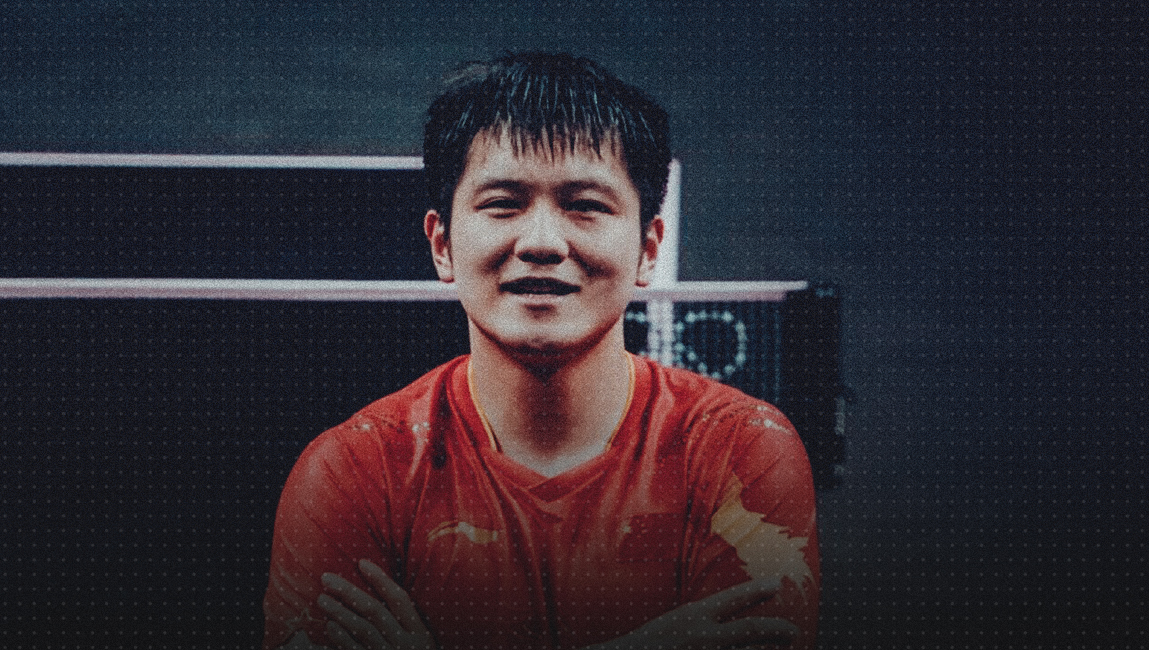
The retirement of the 2024 Olympic champion raised many questions about WTT’s competency, but the fact remains that Fan Zhendong retired as the best player in the World.
As much as World Table Tennis tries to downgrade the importance of the major tournaments, such as the Olympic Games or World Table Tennis Championships – a triumph at these events remains the peak achievement of every table tennis player. No absurd ranking system can change this.
Fan Zhendong missed the second part of 2024, and after the Olympics, his only appearances were in the local Chinese competitions. In the first half of 2024, he had some losses, however, those don’t really matter since the commercial tournaments don’t hold that much value outside of ranking points.
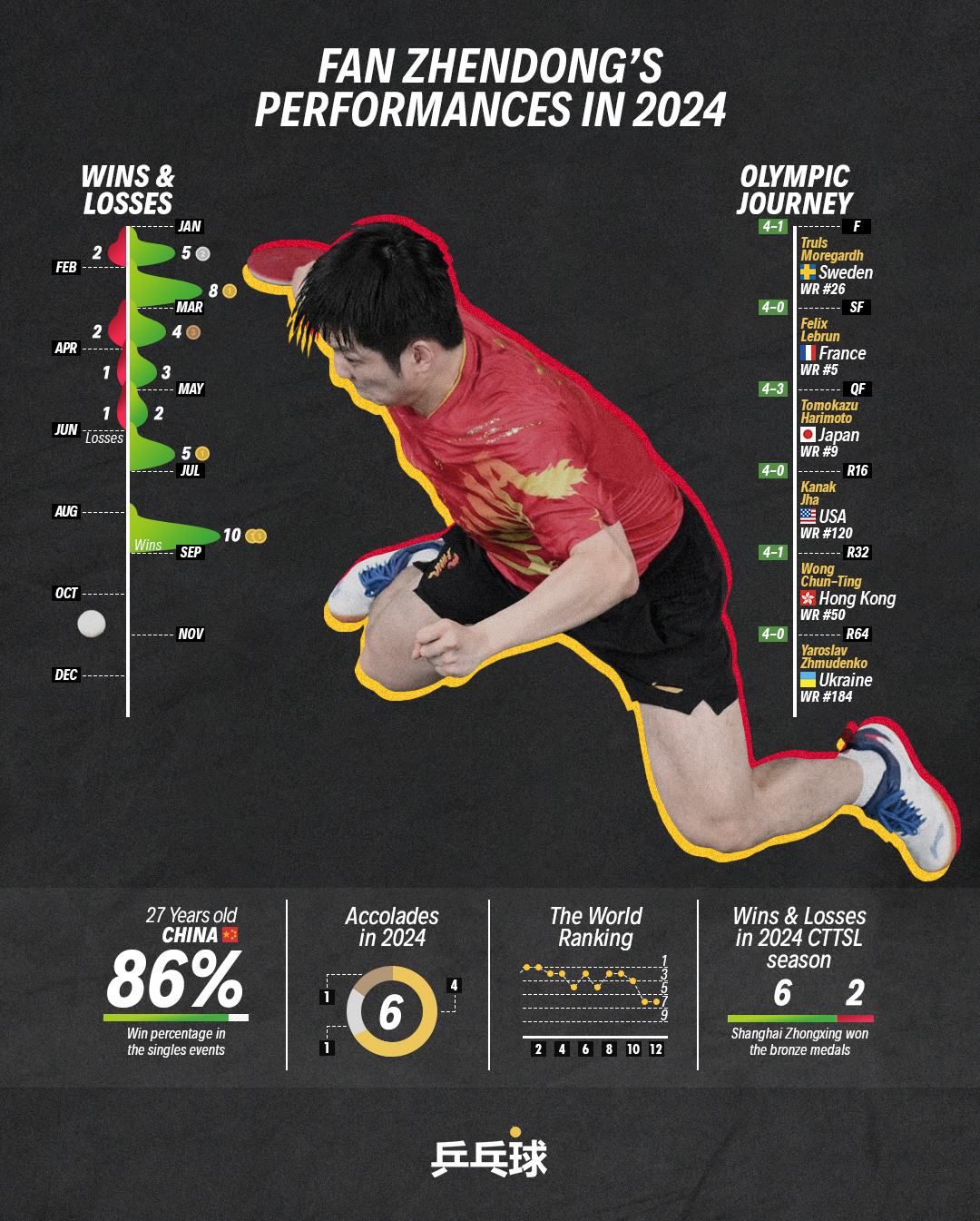
Regarding the biggest event of 2024, Fan Zhendong was unstoppable on the way to his Olympic gold medal in the singles event. The only nerve-wracking match was at the 1/4 finals against the Japanese star – Tomokazu Harimoto. It took seven sets to find out the winner.
Other than that, the 27-year-old Chinese international took the most important title of 2024 and it should be valued more than any other success of the past year. Some might argue that Wang Chuqin had a better year with his World Tour final win and #1 spot in the World Ranking at the end of the year. However, he had some massive flops when it did matter the most. The Olympics was a true disappointment.
Fan Zhendong definitely has plenty left in the tank, and if not for the WTT incompetency and lack of respect toward players, he definitely would’ve been able to improve his legacy in 2025. It’s rare to see the best player in the World to retire at the peak of his powers. Nevertheless, he’s retired and now we can only look back and admire his past achievements.
AdvertisementsDon’t miss out the news from Table Tennis Media, subscribing to our free newsletter and explore the premium content on our Patreon.
-
Shandong Weiqiao finishes the 2024 Chinese Super League season with a triumph & the third title in the club’s history
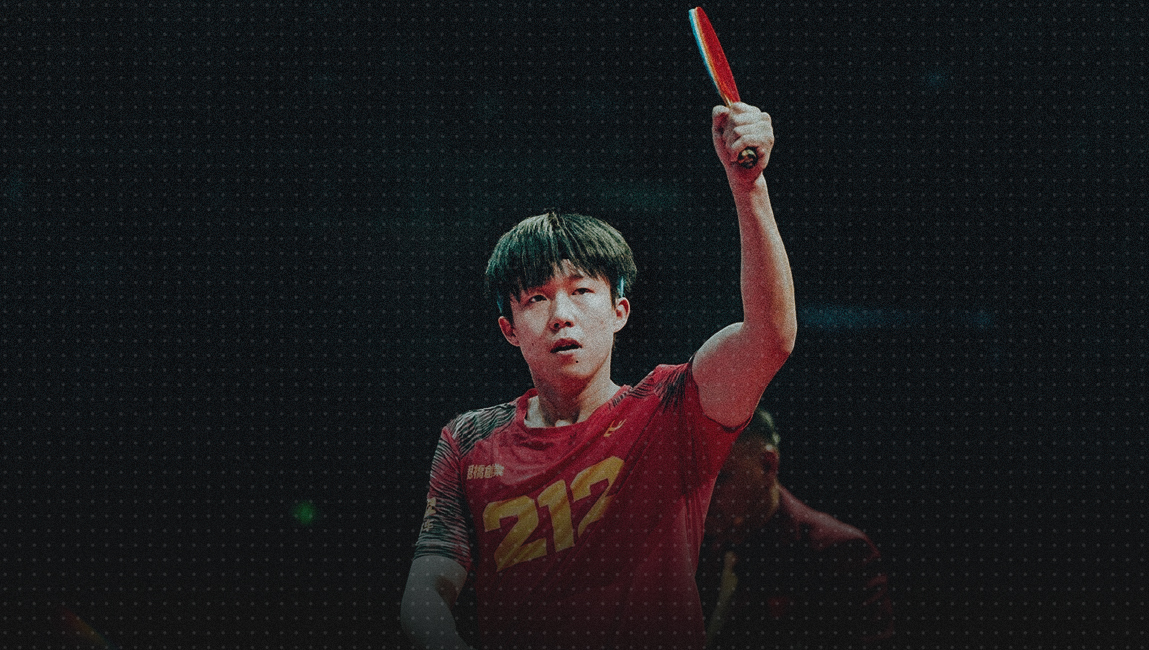
After all the buzz and controversy around Fan Zhendong’s retirement, the final day of 2024 brought us top-level table tennis from the Chinese Super League.
Unfortunately for the majority of neutral fans, the semi-final stage turned out to be quite one-sided, since Huangshi TTC and Shandong Weiqiao TTC did not get much resistance from their opponents. Both teams advanced to the final with confident wins, 3-1 and 3-0.
Chinese and international fans were very excited to once again see the former World Ranking leader – Xu Xin, in action for the Shanghai Zhongxing TTC club. Many had hopes that the combination of the legendary penholder and 2024 Olympic champion Fan Zhendong would lead Shanghai’s club to the finals. The reality, however, turned out to be different.
Xu Xin did not get a chance to play the singles game, losing the doubles matchup with Zhou Kai. The pairing of Liang Jingkun and Lin Yun-ju got a solid 3-1 win. But the main match-up everyone was excited to see, was Fan Zhendong versus Wang Chuqin. During the group stage, the Olympic champion was spectacular and won 3-1. In the semi-finals, Wang Chuqin got his revenge.
Whether Fan Zhendong was simply not having the best of his days, or it was the recent retirement and scandal around WTT that left its impact, one thing is clear – he was a shadow of himself. He got some spectacular points, but overall, Wang Chuqin was clearly better. In the third game, Liang Jingkun did what he was supposed to do, and brought a 3-1 win against Zhou Kai.
In another semi-final game, the young and talented Huangshi players had a slightly tougher time against Shantou Mingrun. Xiang Peng and Xue Fei lost the doubles against Lin Gaoyuan and Chen Yuanyu 0-3.
Nevertheless, Lin Shidong stepped up, winning both of his singles games 3-1 and 3-0, giving Huangshi two important points. The 25-year-old penholder Xue Fei also performed well, winning a win against the more experienced international and World Championships medalist – Lin Gaoyuan.
The final was a great chance for Huangshi to earn its first Chinese Super League title in its short history (the club was founded back in 2022). Shandong Weiqiao turned out to be too tough of a challenge for the talented youngsters.
The games turned out to be a great New Year present for the fans. Liang Jingkun and Lin Yun-ju had a really tough time against Xiang Peng and Xue Fei in the doubles, having some lucky points in the crucial moments and taking a crucial 3-2 win. Wang Chuqin followed this successful game with a nerve-wracking battle against Lin Shidong, who desperately needed to win this match-up so Huangshi could still hope for a positive outcome. The game eventually went into the fifth set and Wang Chuqin showed, why he’s now the number one in the Chinese roster after Fan Zhendong’s retirement. 3-2 win and Huangshi’s hopes for their first title quickly began to fade.
Xue Fei did his best to put up a fight against Liang Jingkun, but a 3-time singles medalist at the World Championships was simply too good. 3-1 and Shandong Weiqiao could celebrate the third title in the club’s history.
2024 CTTSL FINAL
3 – Shandong Weiqiao TTC
0 – Huangshi TTC  Liang Jingkun/Lin Yun-ju – Xiang Peng/Xue Fei 3-2 Wang Chuqin – Lin Shidong 3-2 Liang Jingkun – Xue Fei 3-1
2024 CHINESE SUPER LEAGUE RESULTS
Don’t miss out the news from Table Tennis Media, subscribing to our free newsletter and explore the premium content on our Patreon.
-
Good job, World Table Tennis! You forced the World’s best table tennis player – Fan Zhendong into retirement
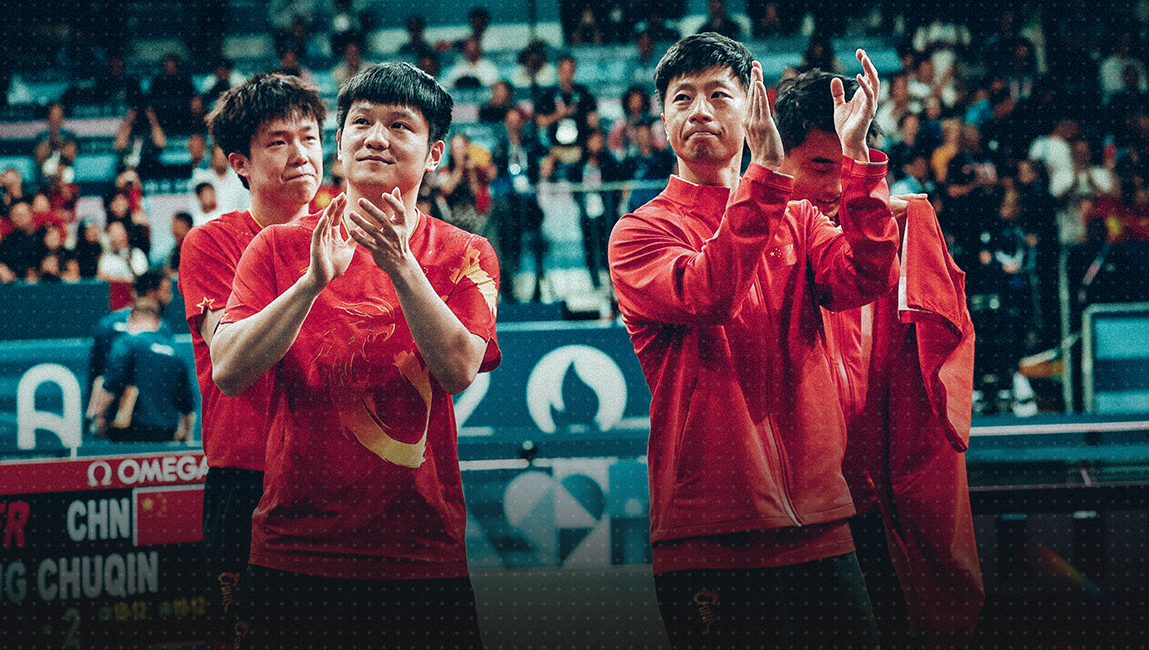
WTT has once again shown that it’s a completely incompetent organization that has zero interest in the development of table tennis. Business over everything.
Fan Zhendong announced that he’s retiring from international competitions. The reigning Olympic champion. At the age of 27…
Those, who praised WTT for popularizing sport in the comments – are you happy now? Table tennis loses its best player at the peak of his powers. And the worst thing about it – there will be silence.
From the first years of WTT it was already clear that its system has flaws and WTT is simply a business scheme, hidden under good-sounding slogans of table tennis development and popularization. Can you imagine the UEFA Champions League forcing Lionel Messi out of the competition in his prime just because he got an injury or missed a few games? Can you imagine LeBron James being banned by the NBA due to load management? If we use analogies, it’s what happened in table tennis today. The rubbish system created by the WTT and backed by ITTF has forced Fan Zhendong out of the international arena.
Disgrace. Football and basketball at least have a strong media presence and journalists, who will criticize those organizations for every slightest mistake they make. In table tennis, it’s an empty void. Adam Bobrow is a paid puppet of ITTF and WTT. Outside of his clowning and being buddies with everyone, he will never speak up against any issues in table tennis. The same goes with Pongfinity, Table Tennis Daily, and other table tennis personalities with a large following. Let’s be friends, let’s promote WTT tournaments to sell some extra rubbers or get another selfie with Timo! Well done, lads!
If anyone wonders – what happened to Fan Zhendong, here’s an explanation of how it works in World Table Tennis in terms of World Ranking.
If you’re a top player – you MUST play in WTT-organized major tournaments. Reason A – you need those ranking points to be relevant before the major tournaments, such as the Olympic Games, the World Table Tennis Championships, and so on. Reason B – WTT needs you to get that money bag. To tell the sponsors: “Look, Fan Zhendong played at our Smash!” It’s all about money. WTT does not give a damn about players, their careers, or the development of it. In return, WTT gives laughable prize money that barely covers travel/coaching expenses for the majority of the players who compete in their tournaments. They even have the audacity to brag about the record sums being won in 2024! Wang Chuqin won $250 000! Some local Chinese tournaments have paid close to that in the past…
WTT has created an absurd system, where its tournaments are worth more than the Olympics, WTT, and continental championships. A system that forces players to participate in their tournaments or get fined if they don’t. Fan Zhendong won the Olympics, he’s still the best player in the World – but he decided to give it up and retire because of the idiotic system WTT imposes. Table Tennis is an individual sport where an individual cannot decide for himself – when to participate in a tournament or not. It’s absurd.
As long as organizations, such as WTT, ITTF, and ETTU will run table tennis and keep their money-oriented policies over the ones that should promote the sport and make it more attractive for young athletes – table tennis is doomed. Or does anyone actually believe that parents will be excited to send their kids into a sport that 10 years later will bring an opportunity to come back home with 300 euros won at the WTT Feeder?
Hopefully, after such news, there will be some public backlash from table tennis players/influencers, and fans. Some #BoycottWTT comments in their YouTube live streams and videos or something like that. If there will be zero pushback and attention, then don’t complain about camera angles or anything else. You get what you support. These are the table tennis news we currently deserve. Sadly.
Don’t miss out the news from Table Tennis Media, subscribing to our free newsletter and explore the premium content on our Patreon.
Advertisements -
Chinese Super League 2024 – In Ma Long’s absence, the 2023 champions missed the play-offs
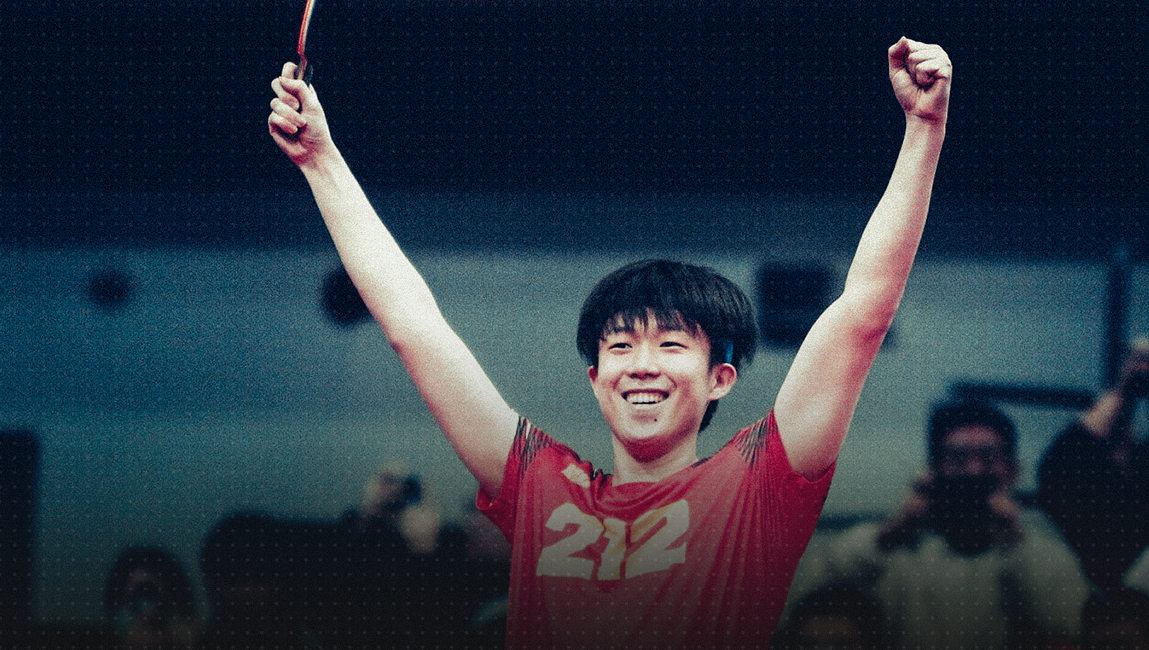
The group stage of the 2024 Chinese Super League season is over. Let’s look at some of the key moments from this stage.
After the group stage, it’s already clear that this season will bring a new champion in the Chinese Super League. Because the reigning champion, Shandong Luneng’s leader Ma Long, was taking part in the Waldner Cup, his team was unable to make it to the TOP 4 and qualify for the final stage of CTTSL.
Seems that Ma Long got a really good financial offer for his participation in the Waldner Cup and some kind of wild card for his previous achievements to be allowed to miss this season’s CTTSL group stage. Unless injured, the leading Chinese players usually take part in the Chinese Super League to strengthen their positions in the national team ranks.
The group stage was dominated by the selection of China’s future hopes – Lin Shidong and Xiang Peng. Thanks to their efforts, Huangshi TTC club finished the group stage with a perfect record of 8-0. Lin Shidong was the best player, winning 8 of his 9 singles games. The only loss came in a match against Fan Zhendong (1-3). The 25-year-old penholder Xue Fei also contributed well and added 4 singles wins for the Huangshi club.
The current World Ranking leader Wang Chuqin displayed some consistent performances, losing only a single game (1-3) against the reigning World and Olympic champion – Fan Zhendong. Both players showed World-class rallies in their match-up but Wang Chuqin couldn’t keep up with his more experienced opponent’s game. Fan Zhendong’s only loss (0-3) came against Xu Yingbin.
Compared to the previous season, when the Swedish star Truls Moregardh was the only foreign player in the CTTSL, this season there were 6 foreign players, who got a chance to be in the spotlight of the crowded arena.
The one foreign player, who made the biggest impact on his team’s performance was the 17-year-old Japanese rising star – Sora Matsushima. He represented Jiangsu Zhongchao TTC club and won 8 out of 10 singles games. Only Lin Shidong had a better record than the Japanese talent. Lin Yun-ju won all three singles match-ups, helping Shandong Weiqiao TTC to finish second and advance to the final stage. Wong Chun-ting, An Jae-hyun, and Hayato Miki had less impressive results.
This season also brought two different generations on the court. The youngest player of this season, the 15-year-old Li Hechen played against the oldest player of this season, the 44-year-old veteran defender Hou Yingchao. The talented youngster got a confident 3-0 win. However, this remained his only win and he finished this journey with a 1-5 record.
Four teams – Huangshi TTC, Shandong Weiqiao TTC, Shantou Mingrun TTC, and Shanghai Zhongxing TTC will meet once again to battle for the 2024 CTTSL title in Shanghai from December 30, 2024 to January 1, 2025. If the group stage atmosphere was 10/10, the finals should bring even more emotions and the highest quality table tennis.
RESULTS & STATISTICS OF 2024 CTTSL
Don’t miss out the news from Table Tennis Media, subscribing to our free newsletter and explore the premium content on our Patreon.
-
Paris 2024 – who will be the new Olympic champion in table tennis?
The 2024 Summer Olympics in Paris will see the 10th edition of the table tennis event. Who will be the new champion?
The previous nine Olympics have seen eight different champions in the singles event. Only Ma Long has been able to repeat his success, winning his first Olympic gold in 2016 and being victorious again in 2020. Since the Chinese legend won’t be taking part in the singles event, it’s clear that someone is going to win his first Olympic title.
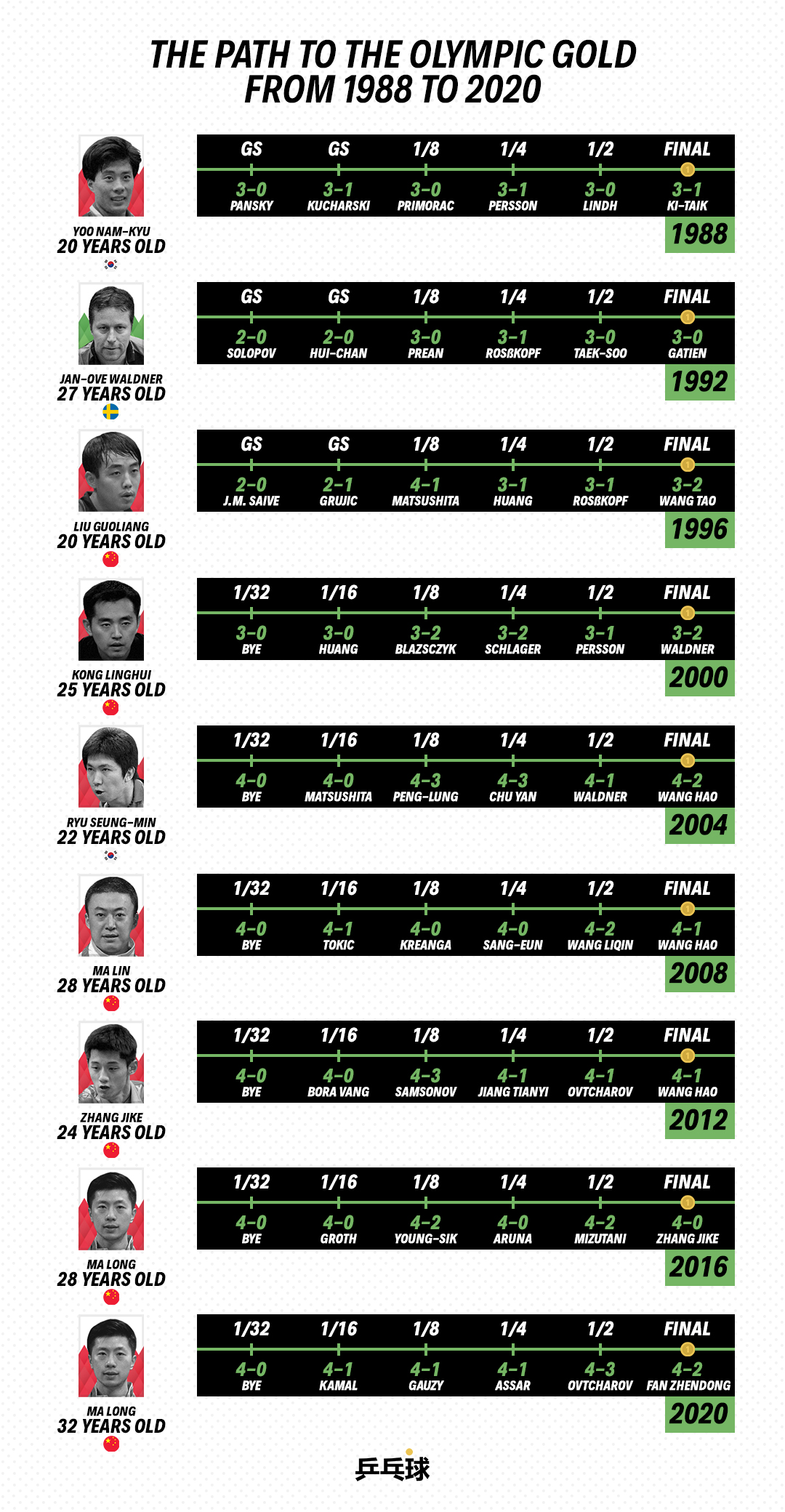
As you can see in the infographic, Chinese players rarely have given away the gold medal to athletes from other countries. The 2024 Olympics will most likely follow this trend. When it comes to the most important tournaments, Chinese leading stars rarely disappoint.
Fan Zhendong and Wang Chuqin are clear favorites, and the Olympics will be pretty much these two versus everyone. If Chinese stars are in their best condition, there’s not much anyone else can put up against them. WTT tournaments sometimes expose some of their weaknesses and vulnerabilities. However, pro tours should not be taken too seriously. Those are commercial tournaments, WTT organizes way too many of them, and there’s not much value in those, except ranking points. Look at Hugo Calderano. Regularly among the TOP 10 players, often among medalists of the pro tours, and even has wins over the leading Chinese players, but when it comes to World Championships or Olympics, Calderano fails to excel.
There are plenty of hungry players, who will definitely try to challenge Fan Zhendong and Wang Chuqin. Rising French brothers – Alexis Lebrun and Felix Lebrun can enjoy their first Olympic experience without much pressure and expectations. Any success will be praised, while there’s not much they could lose at this stage of their careers.
Tomokazu Harimoto and Lin Yun-ju might present some challenges for the main contenders, as well as Jang Woo-jin, who will be one of the dark horses of the singles event. Darko Jorgic has been very successful at the Europe Top 16 tournaments, but his resume still lacks those gold medals from the other major events. Truls Moregardh had one bright run, but after that, his performances have been relatively quiet. Who knows, it might be kind of a Renaissance for the Swedish star if he will be able to surprise the audience at the Olympics. And, of course – Dimitrij Ovtcharov. The experienced German has plenty of Olympic experience and several medals on his resume. He’s already 35 years old but still capable of creating headaches for most of the leading players. He might not win the gold, but winning another bronze is definitely possible.
Fan Zhendong has struggled at times this season, but Chinese coaching staff knows the recipe how to prepare athletes for the decisive moments. Fan Zhendong has won everything in his career and only the Olympic gold in singles is needed to cement his legacy as one of the all-time greats. Easy motivation. For Wang Chuqin it’s the opposite. He is still on his way to win the biggest trophies in table tennis. Hunger is there, insane speed is there and inner battles in China’s national team are always interesting to follow. When these two reach the final – we will see an impressive table tennis spectacle.
Don’t miss out the news from Table Tennis Media, subscribing to our free newsletter and explore the premium content on our Patreon.
-
Title number seven for Ma Long, as Shandong Luneng wins the 2023 Chinese Super League
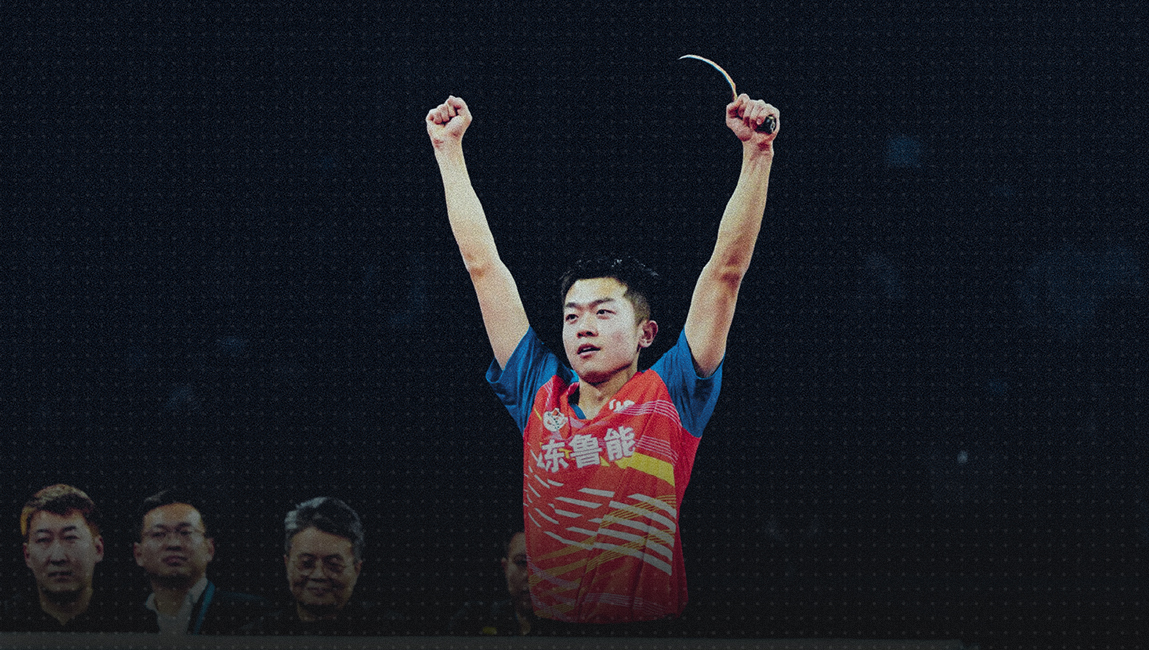
The Shandong Luneng was able to achieve a historic peat during this season. Led by Ma Long, the club from Shandong won its sixth title, becoming the most renowned team in Chinese Super League history. Previously, it tied the first place in terms of titles with Ningbo Haitian TTC.
The 22nd Chinese Super League season featured 9 teams, and one foreign player made his debut in the CTTSL – the Swedish star Truls Moregardh. He represented Lexuan Sports Group, but the 2019 World Championships finalist got humbled in some of the games, and his team finished sixth in the group stage. It was obvious that Moregardh crumbled under the pressure at times, showing his frustration way too often. It’s one thing to be a clear favorite and a hometown hero in Eslöv. Moregardh’s antics are too arrogant at times, and his performance wasn’t as impressive, as some might expect from a former WTTC finalist.
Outside the appearance of the Swedish star, many fans were excited to see in action the former World Ranking leader – Xu Xin, who has retired from international competitions but remains active in the local Chinese scenery. He mostly took part in the doubles match-ups and helped Shanghai Zhongxing TTC to reach the semi-finals stage.
Overall, the squads of the Chinese teams were well-balanced. There wasn’t a team, that could have been called a clear favorite before the competition started. Ma Long played alongside the rising internationals – Xu Yingbin and Yuan Licen. Wang Chuqin formed a solid pairing with Liang Jingkun, and Fan Zhendong got some solid help from Zhou Kai, who won 6 out of 10 games. Fan Zhendong also became the MVP of the group stage, winning 9 out of 10 games, losing a match against Zhou Qihao in the third round.
After the four best teams advanced to the semi-final stage, Shandong Luneng players could showcase the best of their abilities. Ma Long won both of his individual match-ups, leaving no chance to Zhao Zihao and Zhou Qihao. The pairing of Xu Yingbin and Yuan Licen was unstoppable in doubles, and without much resistance, the Shandong team won the league title.
Fine rallies, the best players in the World, and an atmosphere, worthy of the World Championships level – the Chinese Super League never disappoints. The only minus of this competition is that the season is short and we don’t get to enjoy these highest-quality games all season long. Otherwise, it was another great season to enjoy and you can see all the results on our 2023 Chinese Super League page.
2023 CHINESE SUPER LEAGUE RESULTS
Don’t miss out the news from Table Tennis Media, subscribing to our free newsletter and explore the premium content on our Patreon.
-
The story of the Golden Generation of Hungarian table tennis
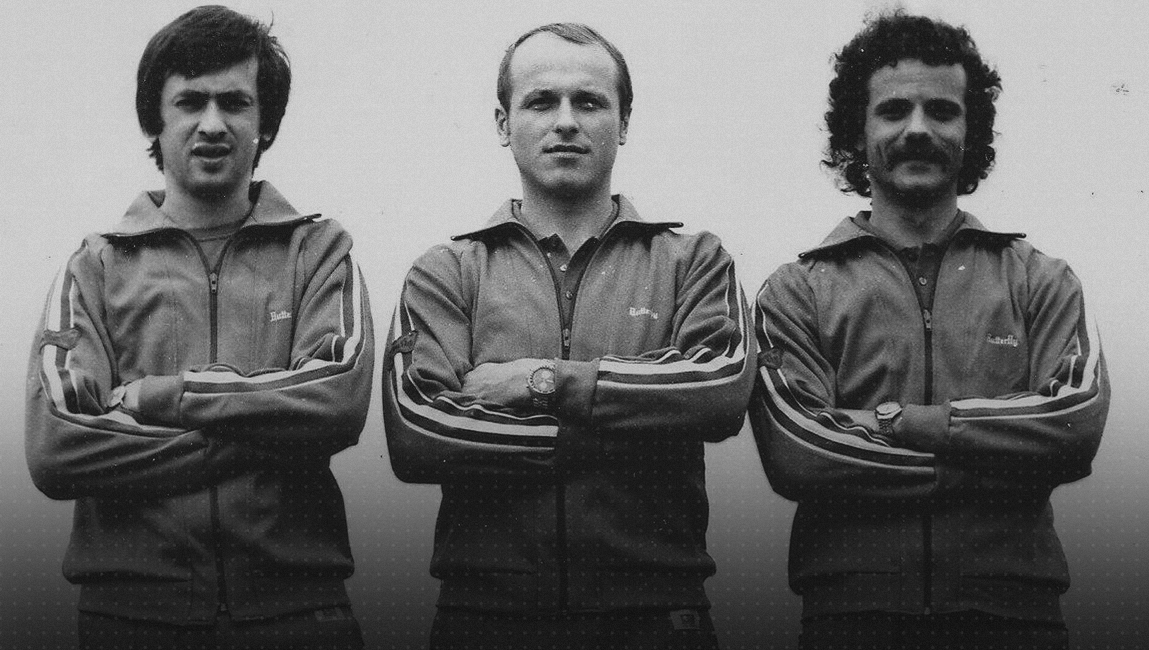
30 April, 1979. Pyongyang, North Korea. The Hungarian national team repeats the success of their predecessors and becomes the world champions in team event, after confidently beating the Chinese team in the final 5-1. The heroes of this golden run were three table tennis greats – Istvan Jonyer, Tibor Klampar, and Gabor Gergely. It took 27 years for Hungarians to bring the Swaythling Cup trophy home, as their last gold in the team event was won at the 1952 World Championships in Mumbai. How did Hungarians manage to achieve this success? Let’s explore the story of this legendary trio and find the answers.
The 1970s era in table tennis was mostly dominated by Chinese, Japanese, Swedish, and Hungarian players. The previous gold medals in team events during this decade were won once by the Swedes and three times by the Chinese team. Individually, Stellan Bengtsson was able to break the Chinese and Japanese hegemony in 1971, winning the singles title. Four years later, Istvan Jonyer did the same in Kolkatta. While most of the medals at the World Championships were still won by the Chinese and Japanese players, the gap between them and European players was not as big as nowadays.
Hungarians were one of the pillars of table tennis development in its early days. Up to this day, Hungary is the second most successful nation in World Championships history. Only Chinese players have won more medals. The success of Viktor Barna, who was almost unbeatable in the early 30s, inspired the next generations of world-class players from Hungary. They had a high standard to meet. Table tennis became more popular and competition was tougher in the next decades. Czechoslovak and English players made great improvements and took the leading positions at the World Championships. Hungarians remained among the favorites and had some really good runs. Ferenc Sido was their leading player during the 50s. He won the singles title in 1953, becoming the last European to win it, until Bengtsson’s triumph in 1971.
In the mid-50s, another table tennis star emerged in Hungary. His name was Zoltan Berzcik. He could not reach the gold at the World Championships, but he dominated the first two European Championships editions. Early in his career, Berczik fought alongside Sido and late in his career, he faced the 1979 heroes.

Hungarians won the team event at the 1982 European Championships in Budapest. This success was no coincidence. Hungarians had strong traditions in table tennis and former greats, who could share their experience with the young generation. They knew how to become world-class players. Sido and Berczik were involved in coaching the national team and luckily, they got three different, and very talented players in their hands. Coaches understood the potential Jonyer, Klampar, and Gergely had. Berczik, who was known for having a phenomenal work ethic as a player, kept the same mentality as a coach. Long hours of practice and heavy physical training were his recipe for success. It did not always suit his players 100%, but the results were there. The gold medals Hungarians won at the World and European championships were proof that Berczik’s system works.
Of course, it wasn’t always going smoothly. Many players and coaches later agreed on the thought that Hungarians missed out on at least one more World Championships gold in the team event. There were some issues that messed up a few major tournaments for the Hungarian team. First, it was the injuries. Istvan Jonyer was a very athletic player, built like a tank, with massive legs. He was a very hard-working player, but the weight training forced Jonyer to miss tournaments due to meniscus injuries. It also had an impact on his longevity. But the main issue that caused Hungarians the majority of problems was the behavior of Tibor Klampar. A player ahead of his time, and very talented, but he had a problem controlling his temper. The Hungarian table tennis association banned Klampar several times for various misconducts.
The characters of Berczik and Klampar were hardly comparable. The coach was all about discipline and tough love, while Klampar sometimes needed a less strict approach. Both clashed heads often and we must remember that Hungary was a Communist state at the time. The athletes from the Eastern Bloc were generally living under stricter rules than their Western counterparts. Disciplinary issues were punished harder in countries, like Hungary. The one who could get along better with Klampar was Sido. He was coaching the talented Hungarian star at the Budapest Spartacus club.
The situation before the 1979 World Championships was also on the brink of disaster. Klampar was removed from the training camp before the tournament after another clash with Berczik and Hungarians were about to go to Pyongyang without him. Understanding that it might be their last chance to win the gold in the team event, Jonyer and Gergely tried to convince the coach and high-ranked sports officials to allow Klampar to rejoin the team. They let everyone know that without Klampar, it won’t be possible to win the gold. Luckily, the officials weren’t so stubborn at this time and the Hungarian team traveled to North Korea with all the best players in the squad.

Istvan Jonyer and Tibor Klampar won the 1971 World Championships in doubles event. The success of Hungarians in Pyongyang was no coincidence or luck. They had everything to challenge the Chinese team. All three of their leading players were at the peak of their power. 26-year-old Gabor Gergely was the reigning European champion, winning the title a year earlier in Duisburg. In that European Championships final, he faced his teammate, Istvan Jonyer. Hungarians knew the pressure that awaits them in pursuit of a gold medal. But they already were World and European champions. The experience was there. They weren’t some underdogs. In Pyongyang, Hungarians were the ones to be respected and feared.
In the group stage, they cruised past all their opponents, including Yugoslavs, French, North Koreans, and the eventual finalists – the Chinese team. In the semi-final, Hungarians faced the Japanese team, led by the eventual singles event winner Seiji Ono. He was able to win one game against Gergely, but his teammates could not get a single win and Hungarians confidently advanced to the final after a 5-1 win.
The final was played on Klampar’s birthday, and of course, Hungarians were eager to celebrate this day for two great occasions. After the success in the group stage, the confidence was there. Gergely set the tone of the game early. He left no chance to Guo Yuehua, confidently winning the opener 2-0. His teammates followed the example. Jonyer showed why he is a 3-time World champion and brought a solid 2-0 win against Lu Qiwei. The Chinese team needed a win to hope for a comeback. But Tibor Klampar was in great form. In a similar fashion as his teammates, Klampar won 2-0 and the overall score was already 3-0. The situation was turning more hopeless for the reigning World champions.
As the fourth match-up went on, the Chinese finally showed some serious resistance. Guo Yuehua lost the first set to Jonyer, but he was able to win the next two. Narrowly, but he got the first win for the Chinese team. His teammates also performed better, each winning the first set of their next game. Still, it wasn’t enough. Hungarians were simply too strong that day. Gergely made a comeback against Li Zhenshi and Klampar said the last word against Lu Qiwei, completing the dream run. It became the peak moment of Hungarian table tennis. The one to remember for the next generations.
After this success, Hungarians kept themselves among the favorites for the major tournaments. Two years later, they once again reached the final of the team event, and played against the Chinese time that was strongly motivated to take revenge. This time, Hungarians had a tough time. Jonyer and Klampar, each won a game, but it wasn’t enough to hope for the gold medal again. Chinese team took a solid 5-2 win and reclaimed their table tennis crown. In 1983, a year after winning the European Championships, Hungarians enjoyed their last great run at the World Championships. Even without Klampar, they were able to win the bronze medals.
With this run, the careers of the Hungarian legends began to fade. Jonyer and Gergely focused on their club careers and Klampar remained the only one, to still be present in the international arena. The last medal Hungarians managed to win at the major tournaments – was the bronze in the team event of the 1988 European Championships. After that, the golden times for Hungarian table tennis were about to end.
Don’t miss out the news from Table Tennis Media, subscribing to our free newsletter and explore the premium content on our Patreon.

 Table Tennis Media