
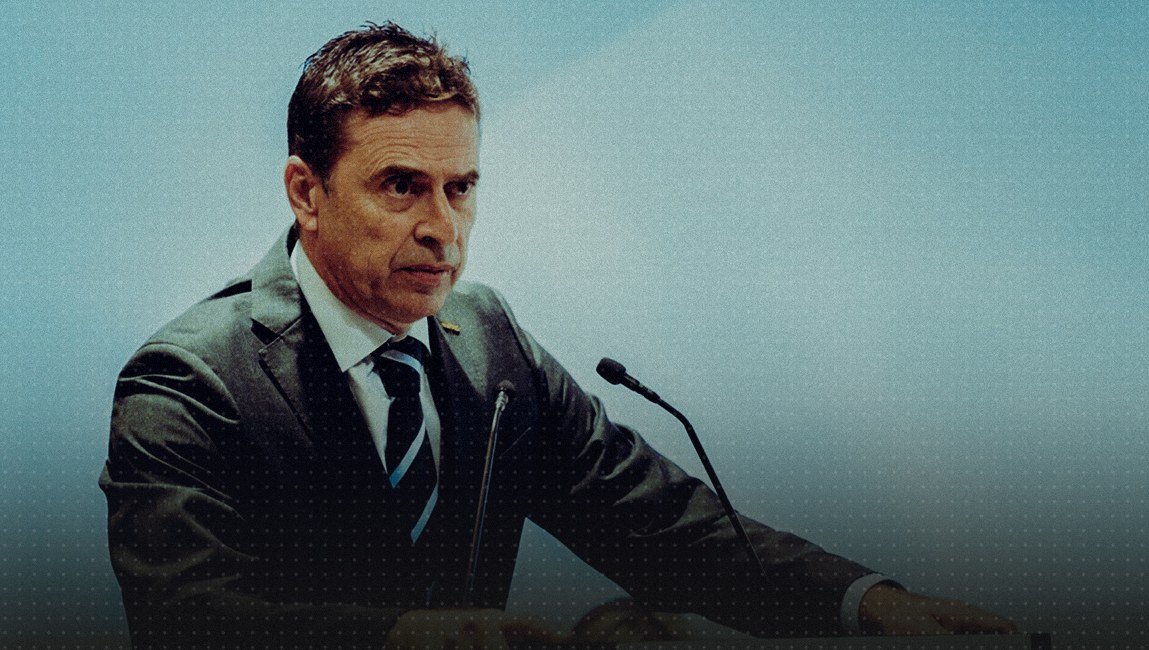
There have been plenty of controversies around World Table Tennis and its incompetent decisions. However, the European Table Tennis Union has been on its run of questionable decisions.
European Table Tennis Union, known as ETTU, has been organizing different continental competitions for decades. From the European Championships to the Champions League, Europe Top 16, and others.
However, in recent years, during the presidency of Pedro Moura, ETTU has been on a consistent run of showing favoritism towards specific ideas and clubs that do not really benefit European table tennis development. One clear example is the German club TTC Neu-Ulm and it’s buying into the Champions League. This club appeared out of nowhere back in 2019 and without winning any accolades in the German Bundesliga, got its place in the Champions League. A similar situation has been this season, since Nimes/Montpellier club hasn’t won any French Pro A League accolades, yet, it got a place in the Champions League. Basically, if someone has a lot of money, you can simply found a new club, skip all the national league hierarchy, and get right into the elite of European club table tennis. The Champions League is for champions just on paper.
It has given a clear impression that ETTU doesn’t have any backbone or respect towards the tradition of the tournaments it organizes. As soon as financial benefits are on the horizon, there are no issues to change the rules of the game and let the money talk. If we look before Moura’s presidency, ETTU had the potential to be in a very good place financially.
A few years before the events in Ukraine started was a very lucrative and promising time for ETTU, since the aide to the president of Russian President Vladimir Putin – Igor Levitin was elected as an ETTU President in September 2020. Soon after, ETTU got a sponsorship from the largest Russian company – Gazprom. After the conflict in Ukraine began, Levitin resigned from his position, but the ETTU board remained pretty much the same.
Since getting sponsorship from Gazprom or any other major Russian companies was no longer a possibility, ETTU had to find ways, how to make some extra money. And why look too far, if you can simply copy-cat the WTT Youth Contenders and present the Europe Youth Series? However, this Euro-centric tournament looks simply like another cash-grab scheme in table tennis, similar to WTT Feeder tournaments.

Outside of financial gains for ETTU, there are no real benefits for the young European players in taking part in their Youth Series. No World Ranking points, overpriced hospitality fees, and much lower competition level, compared to the WTT Youth Contenders. The international table tennis schedule has been kind of a mess since the WTT appeared and ETTU seems to add even more chaos to it.
Another thing that ETTU seems to borrow from WTT is the conflict of interests and allowing officials to keep the leading positions in two organizations at the same time. It shows a lack of professionalism in an organization and creates a sense of bias and pushing forward specific interests, rather than working for the common goals. In the World Table Tennis case, we have seen this with Liu Guoliang, who is at the top of both – WTT & CTTA. And without a doubt, holding a high position in WTT can help Guoliang to push different initiatives in favor of his home country.
ETTU has an interesting example among its executive board members, who have clearly pushed some interests in favor of her country. If you look at the executive board’s list, you can see Ina Jozepsone among the vice presidents of ETTU. She is also president of the Latvian Table Tennis Federation. Since Jozepsone has been the vice president of ETTU, Latvia has suddenly gained some favors from ETTU. For example, the Riga City Council Cup has been added among the youth tournaments that receive European ranking points, alongside ETTU’s Youth Series. Recently, the 2027 European Veterans Championships were awarded to Latvia. And for those, who might not know – veterans championships are one of the most lucrative and desired tournaments for the organizers in table tennis. Thousands of people attend these tournaments, and one such tournament can generate more revenue (€55 160 in 2023) for ETTU than the Champions League (€30 000) and Europe Top 16 (€28 000) combined.
Why does a country with very bleak table tennis traditions get a chance to organize such a lucrative tournament? In the past 30 years, Latvian table tennis has produced only one world-class player – Matīss Burģis. At this peak, he was ranked 100th in the World Rankings, and he participated in the 2012 Olympic Games in London. However, Burģis has retired from the international arena since 2017, and since then, Latvia has been a below-average team on the European level. It does not make much sense to reward a country with zero success on the continental level and that does not have even a single professional table tennis athlete – with such opportunities. It’s also interesting what Latvian table tennis achievements Ina Jozepsone could present to get elected as a vice president of ETTU? Latvian table tennis level is behind its Baltic neighbors – Estonia and Lithuania, however, you don’t see their table tennis officials getting any high-rank ETTU positions or opportunities to organize major tournaments.
However, conflicts of interest and nepotism are common things in table tennis. Since it’s a niche sport, such examples do not get much public attention. ETTU’s tournaments do not have popularity within the broader audiences for anyone actually to make a buzz about it.
The same can be said about ETTU’s partnership with TT Cup. It’s one truly shady organization that has partnerships with several table tennis institutions and players, but it’s still unclear what kind of partnership could it offer for ETTU? Recently, there was an announcement about Europe Top 16 partnership. However, outside of this word salad about cheering and supporting, there are no specifics of what this support is going to be. A promotion on their website and social media? Paid sponsorship? Broadcasting? Zero clarity does not add any value to the overall image of ETTU.
In conclusion, whether it’s WTT, ETTU, or any other table tennis organization, it rarely looks good, professional, and fully invested in the development of this sport. Niche sports representatives have to work ten times harder to make it relevant for broader audiences, and unfortunately, selfish interests and biases often prevail and do no good for table tennis.
Don’t miss out the news from Table Tennis Media, subscribing to our free newsletter and explore the premium content on our Patreon.
 Table Tennis Media